Understanding the Role of Craft Communities
Craft communities play a vital role in supporting hobbyists and aspiring artisans by providing training, resources, and a sense of belonging. This article explores how these communities foster creativity and collaboration while also discussing the dynamics of handmade product studios.
What are Craft Communities?
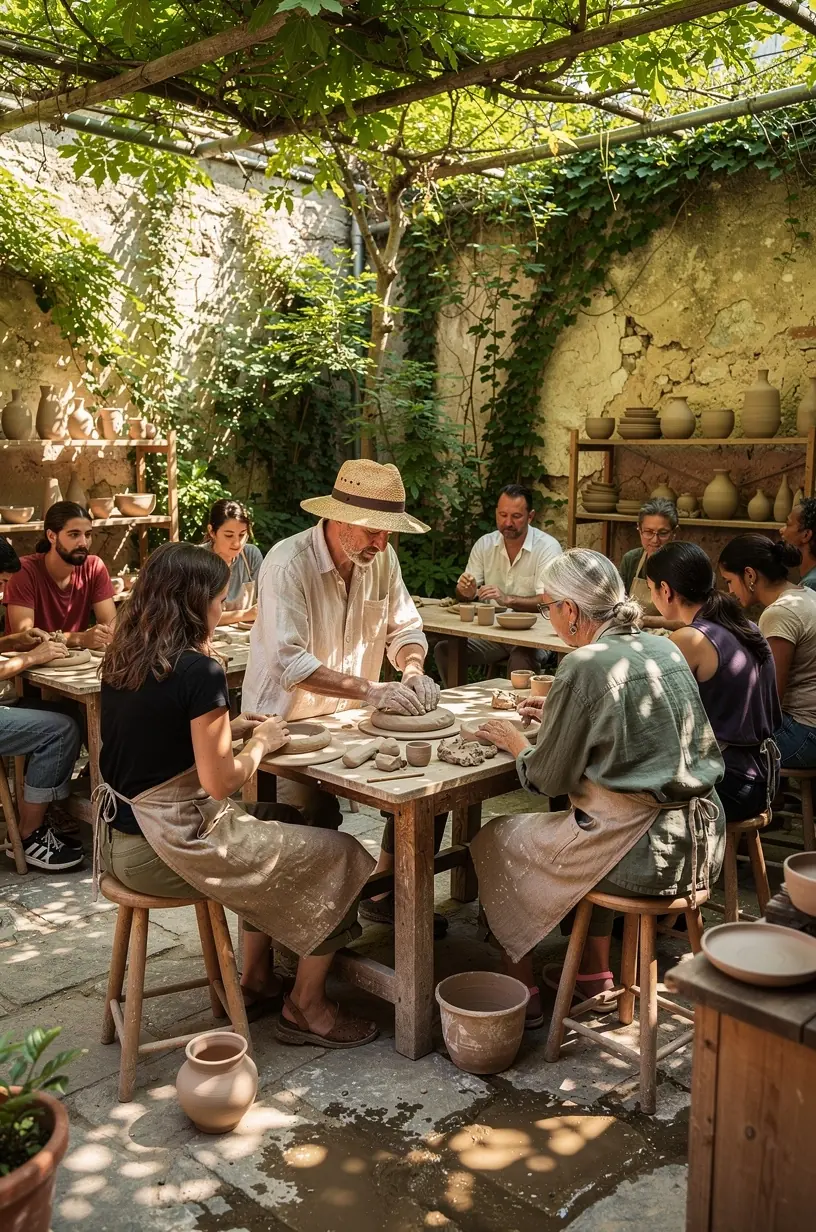
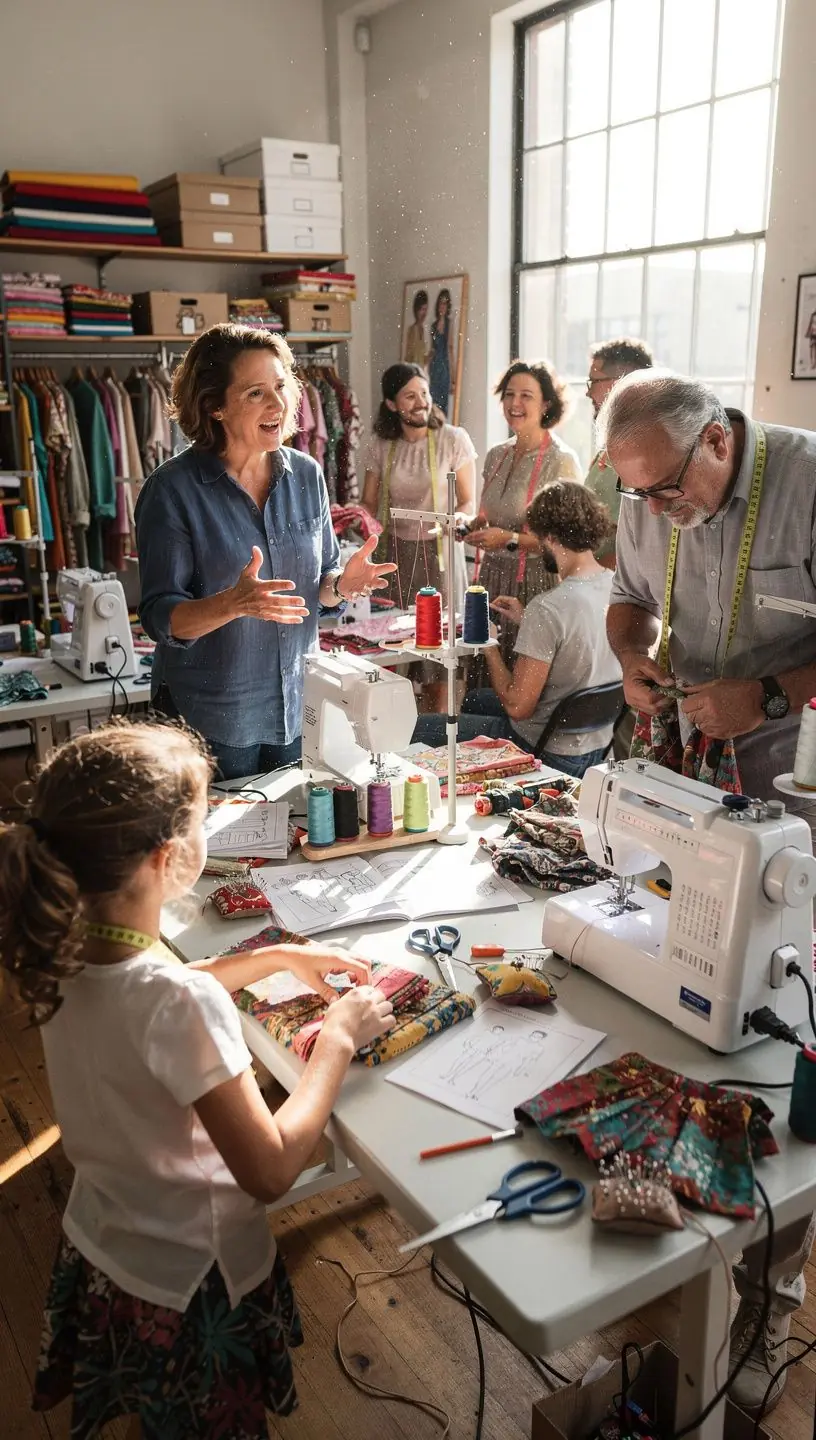
Craft communities are groups formed around shared interests in various forms of crafts, such as knitting, sewing, woodworking, or pottery. These communities often serve as support networks where members can share knowledge, techniques, and resources. Research indicates that being part of a community can enhance one's skills and confidence in their craft, often leading to improved outcomes in both personal and professional projects.
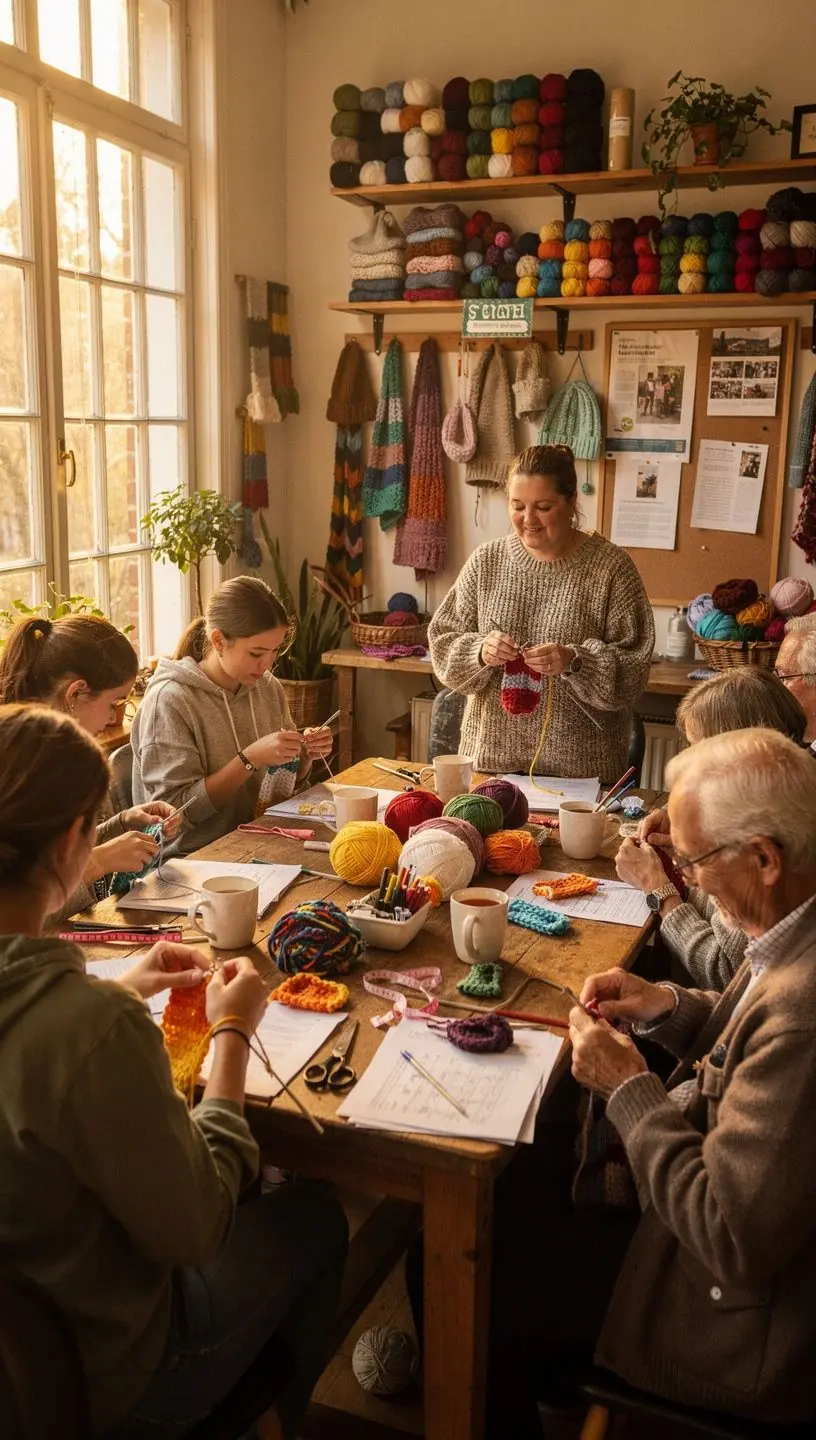
"Craft communities provide vital support and encouragement, enabling individuals to develop and refine their skills." - Craft Industry Experts
The Importance of Collaboration
Collaboration within craft communities can significantly enhance the learning experience. According to studies, group learning environments often lead to deeper understanding and retention of techniques. Members can offer feedback and share their own experiences, which often leads to a more profound mastery of craft skills.
- Peer Learning: Many users report that learning from others can help accelerate skill acquisition, often cutting down the learning curve significantly.
- Shared Resources: Craft communities typically pool resources, which can include tools, materials, and even space for projects. This often makes it easier for hobbyists to experiment without a substantial upfront investment.
- Networking Opportunities: Many craft communities host workshops, fairs, or exhibitions, which can be strategic for individuals looking to market their handmade products.
Training and Skill Development
Training is a cornerstone of many craft communities. Members typically engage in various forms of skill development, from formal classes to informal workshops. This structured approach can significantly improve proficiency. Experts recommend that those new to a craft invest time in both guided and self-directed learning; this combination often leads to a broader skill set.
It's important to note that the effectiveness of these training sessions can vary depending on the individual's prior experience and the complexity of the craft. For instance, beginners may need more time and dedication to grasp basic techniques, while seasoned crafters might excel in more advanced workshops.
Challenges Faced by Craft Communities
While craft communities offer numerous benefits, they are not without challenges. The commitment to community participation can sometimes be a barrier, as members may find it difficult to balance their craft activities with other responsibilities. Additionally, geographical limitations can affect the accessibility of local communities, particularly in regions with fewer resources or smaller populations.
In most cases, craft communities work best when they foster inclusivity and support, allowing members to engage at their own pace. Industry experts suggest that ensuring a welcoming environment can significantly improve retention and engagement among members.
Conclusion
Craft communities serve as invaluable resources for hobbyists and aspiring artisans. By providing training, collaboration, and a network of support, they enhance individual skill development while fostering a sense of belonging. If you're considering joining a craft community, be prepared to invest time and effort, as the rewards—both personal and professional—can be substantial. Engaging with these communities not only helps refine your craft but also connects you with like-minded individuals who share your passion.
Learn More