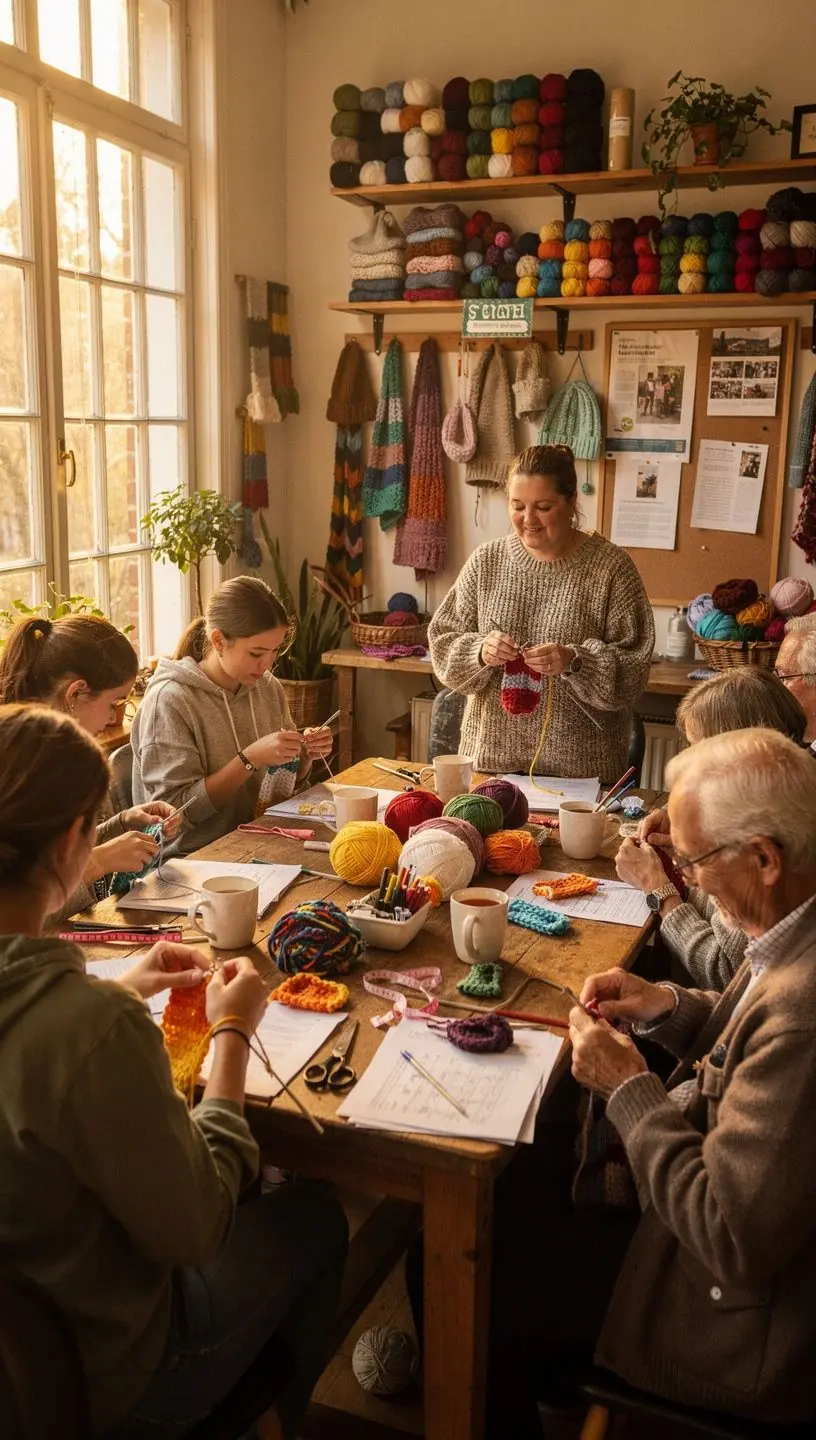
Finding Your Niche in Handmade Markets
In the evolving landscape of handmade products, identifying a niche is essential for hobbyists looking to turn their passion into a viable business. This article explores effective strategies for finding your unique place in handmade markets, providing practical insights and realistic expectations.
Understanding the Importance of Niche Selection
Choosing a niche is crucial for your success as it helps you focus your efforts and connect with a specific audience. According to market research, businesses that define their niche often experience enhanced customer loyalty and better sales performance. This is primarily because they cater to specific needs and preferences of a targeted group.

"A well-defined niche allows creators to tailor their products and marketing efforts, leading to increased engagement and sales." - Industry Expert
Identifying Your Passion and Skills
The first step in finding your niche is to reflect on your personal interests and skills. Consider the following:
- Evaluate your hobbies: What activities do you enjoy the most? Often, your passion can lead to a profitable niche.
- Assess your skills: Identify what you are good at; whether it's knitting, woodworking, or jewelry-making, leveraging your strengths can set you apart.
- Research trends: Look into current market trends to see where your interests align with consumer demand. Industry reports suggest that focusing on trending interests can significantly increase your chances of success.
Market Research and Competitor Analysis
Conducting thorough market research is essential to understand the landscape you wish to enter. This involves:
- Analyzing competitors: Take note of other businesses in your potential niche. What are their strengths and weaknesses? Understanding this can help you identify gaps in the market.
- Engaging with your audience: Utilize social media platforms to gather insights from potential customers about what they desire in handmade products.
- Participating in artisan fairs: Attending or even exhibiting at local craft fairs can provide firsthand experience of customer preferences and successful products.
Testing Your Niche with Prototypes
Before fully committing to your niche, consider creating a small batch of your products. This process allows you to:
- Gather feedback: Share your prototypes with friends, family, and potential customers to receive constructive criticism.
- Refine your offerings: Use the feedback to make necessary adjustments to your products before launching on a larger scale.
- Evaluate market viability: Small-scale testing can help you gauge whether your niche resonates with consumers, potentially saving you time and resources.
Conclusion
Finding your niche in handmade markets is a process that requires self-reflection, research, and testing. While this journey may involve significant effort and time—often taking several weeks to refine your ideas—it can lead to a fulfilling and sustainable business. Remember, the goal is not just to sell products but to create meaningful connections within your chosen community.