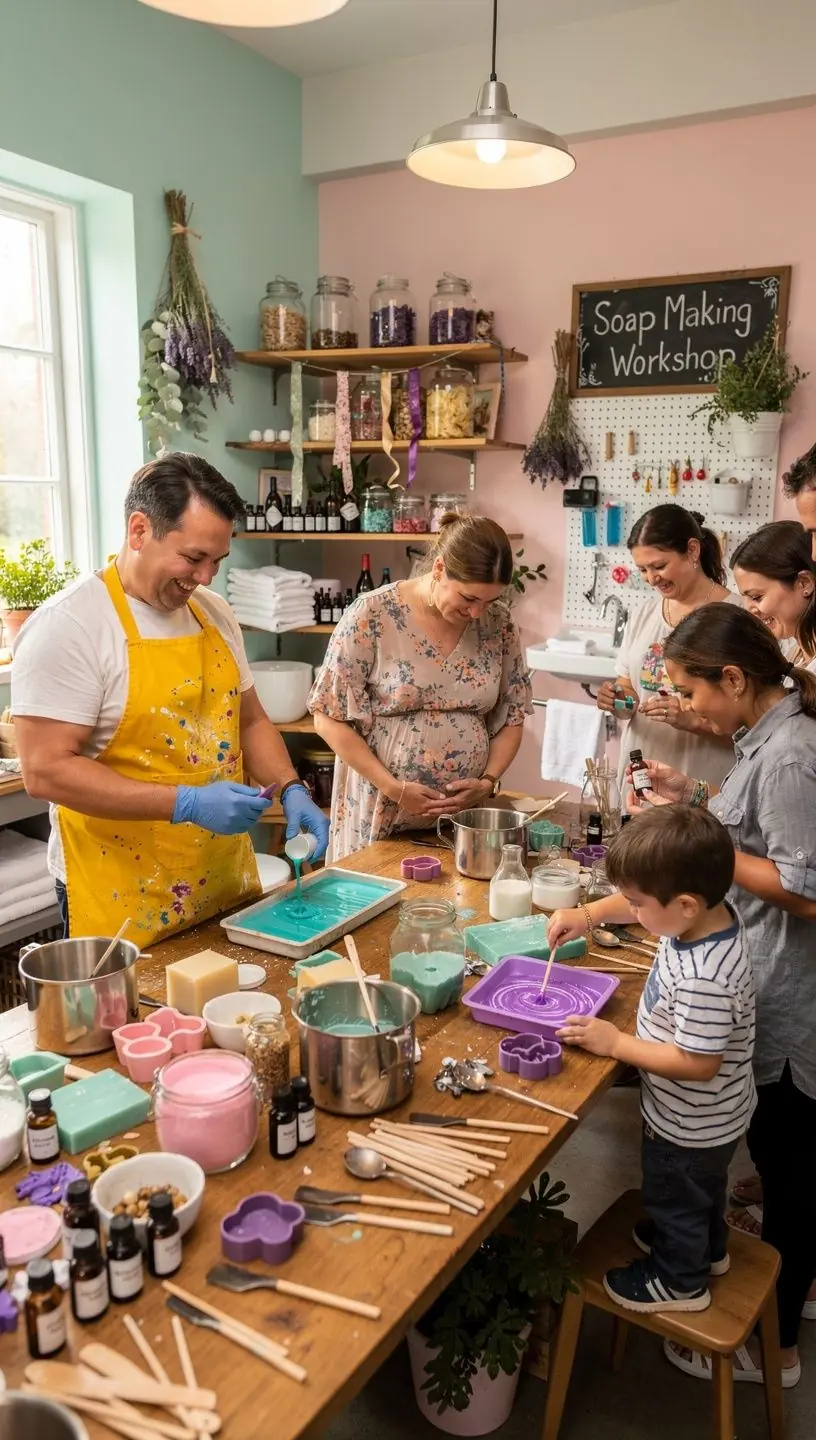
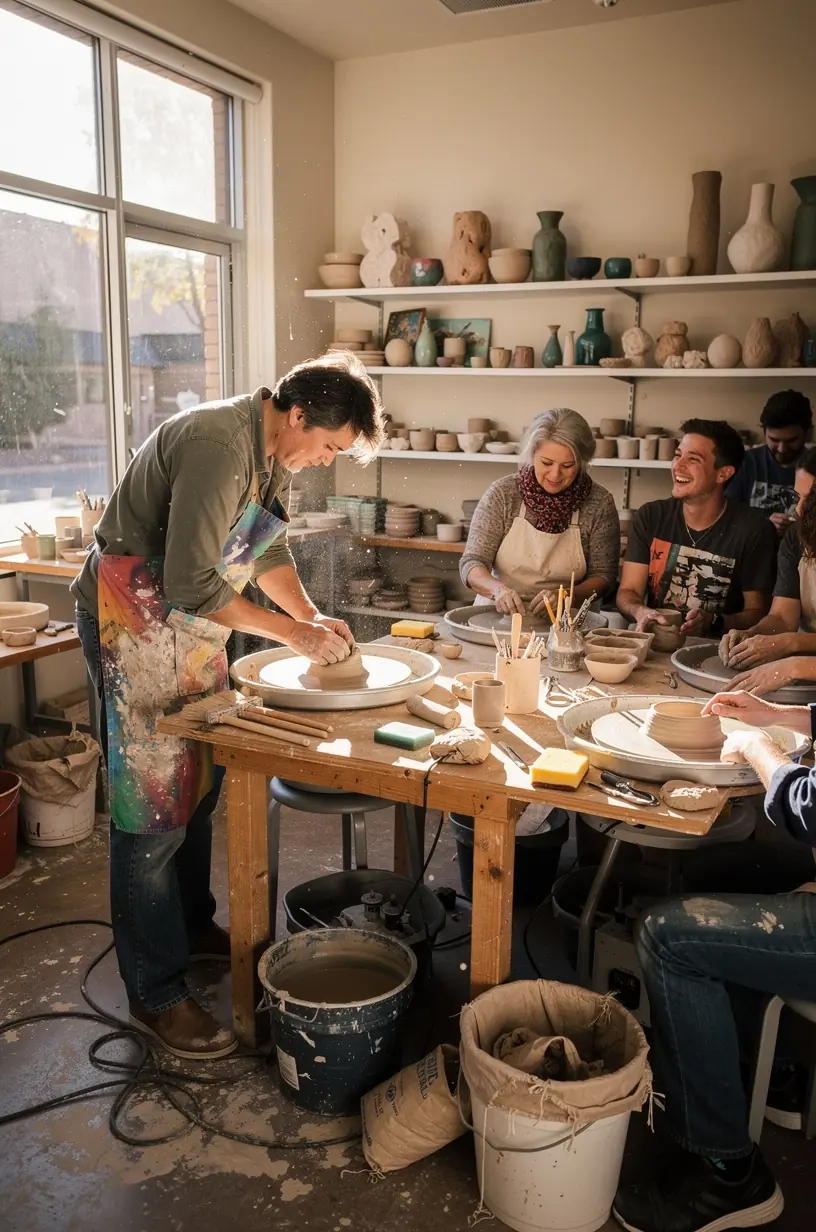
Exploring Collaborative Opportunities in Crafting
Collaboration in crafting can provide hobbyists and artisans with unique opportunities to enhance their skills and increase their productivity. This article discusses how collaborative efforts can enrich the crafting experience, providing insights supported by industry practices and expert recommendations.
Understanding the Power of Collaboration
Collaboration can significantly enhance creativity and skill development within the crafting community. According to research in creative industries, working alongside others often leads to improved ideas and innovation. Experts in the field suggest that collective brainstorming and group projects can foster a learning environment that benefits all participants.

"Collaboration often leads to a richer creative process, as different perspectives can illuminate new pathways and solutions." – Crafting Industry Expert
Benefits of Collaborative Crafting
- Skill Development: Many users report that crafting in a group setting helps them learn new techniques more efficiently. This is often due to the ability to receive immediate feedback and guidance from peers.
- Resource Sharing: Collaborative groups typically share materials and tools, which can reduce individual costs. According to industry practices, this approach fosters a more sustainable crafting environment.
- Community Building: Engaging in collaborative projects can create lasting friendships and support networks. Research indicates that social connections in crafting can increase motivation and commitment to projects.
How to Initiate Collaborative Crafting
Starting a collaborative crafting initiative requires careful planning and clear communication. Here are some steps to consider:
- Identify Goals: Define what you want to achieve through collaboration. This could range from learning new skills to producing a large project together.
- Gather Participants: Reach out to fellow crafters, hobbyists, or local crafting groups. It’s crucial to find individuals with similar interests and complementary skills.
- Establish Guidelines: Set clear expectations regarding time commitments, responsibilities, and project timelines. This helps ensure that all participants are on the same page.
Acknowledge the Challenges
While collaborative crafting offers many benefits, it can also present challenges. Some potential limitations include:
- Time Commitment: Collaborative projects typically require more time and effort than solo crafting. It's important to communicate this to all participants.
- Conflict Resolution: Disagreements on creative direction may arise, necessitating effective communication and conflict resolution strategies to maintain a positive group dynamic.
- Skill Levels: Participants may vary in skill levels, which can lead to frustration if not managed properly. It’s vital to create an inclusive environment where everyone feels valued.
Conclusion
Exploring collaborative opportunities in crafting can lead to enhanced creativity, skill development, and community building. While there are challenges to navigate, the potential rewards often outweigh the difficulties. Embracing collaboration allows hobbyists to learn from one another and create meaningful work, ultimately enriching the crafting experience. By following best practices and setting realistic expectations, you can effectively engage in a collaborative crafting journey.