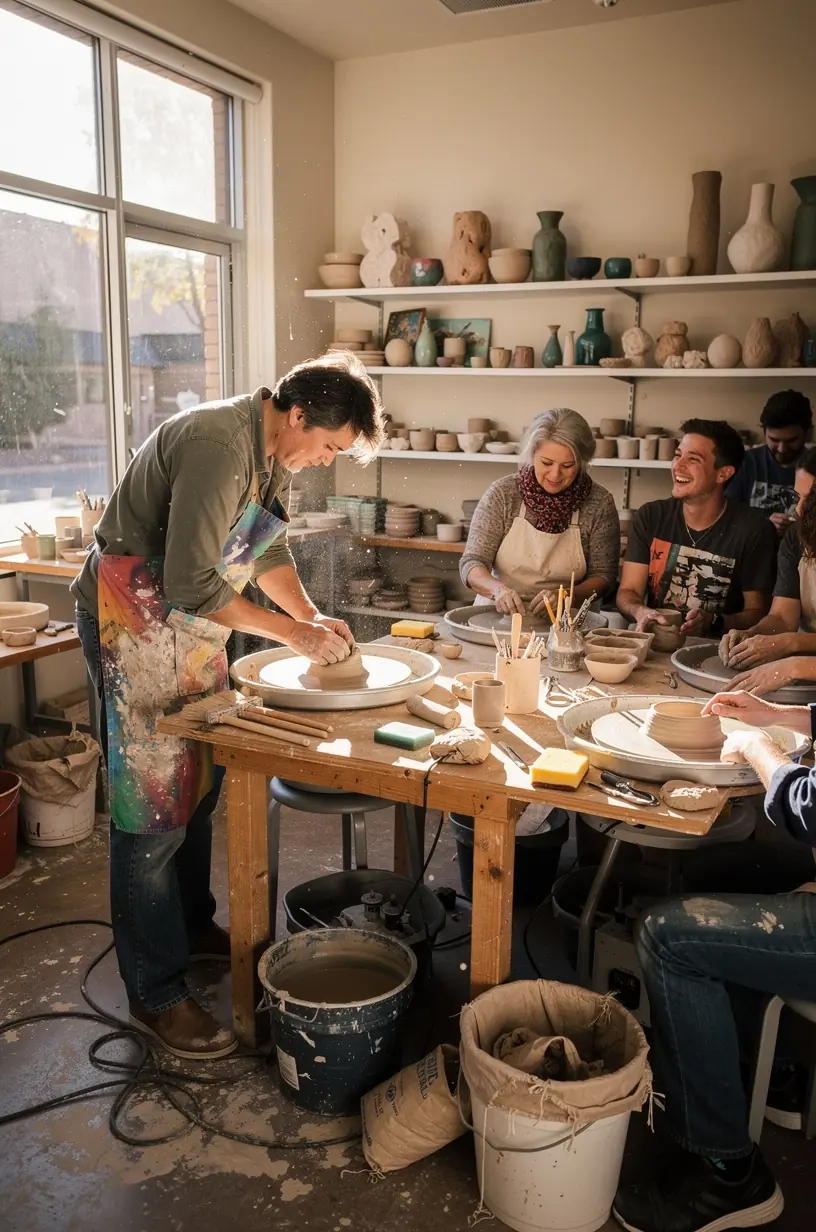
Establishing Effective Workflows in Handmade Production
Creating handmade products can be a fulfilling venture, but establishing effective workflows is essential for maximizing productivity and maintaining quality. In this article, we will explore practical strategies and insights to help hobbyists streamline their production processes, supported by industry research and expert recommendations.
Understanding the Basics of Workflow Efficiency
Effective workflows in handmade production involve organizing tasks in a manner that enhances productivity while ensuring high-quality output. According to a study conducted by the National Institute of Standards and Technology (NIST), businesses that implement structured workflows can see productivity improvements of up to 30%. This is particularly relevant for small-scale operations where time and resources are limited.
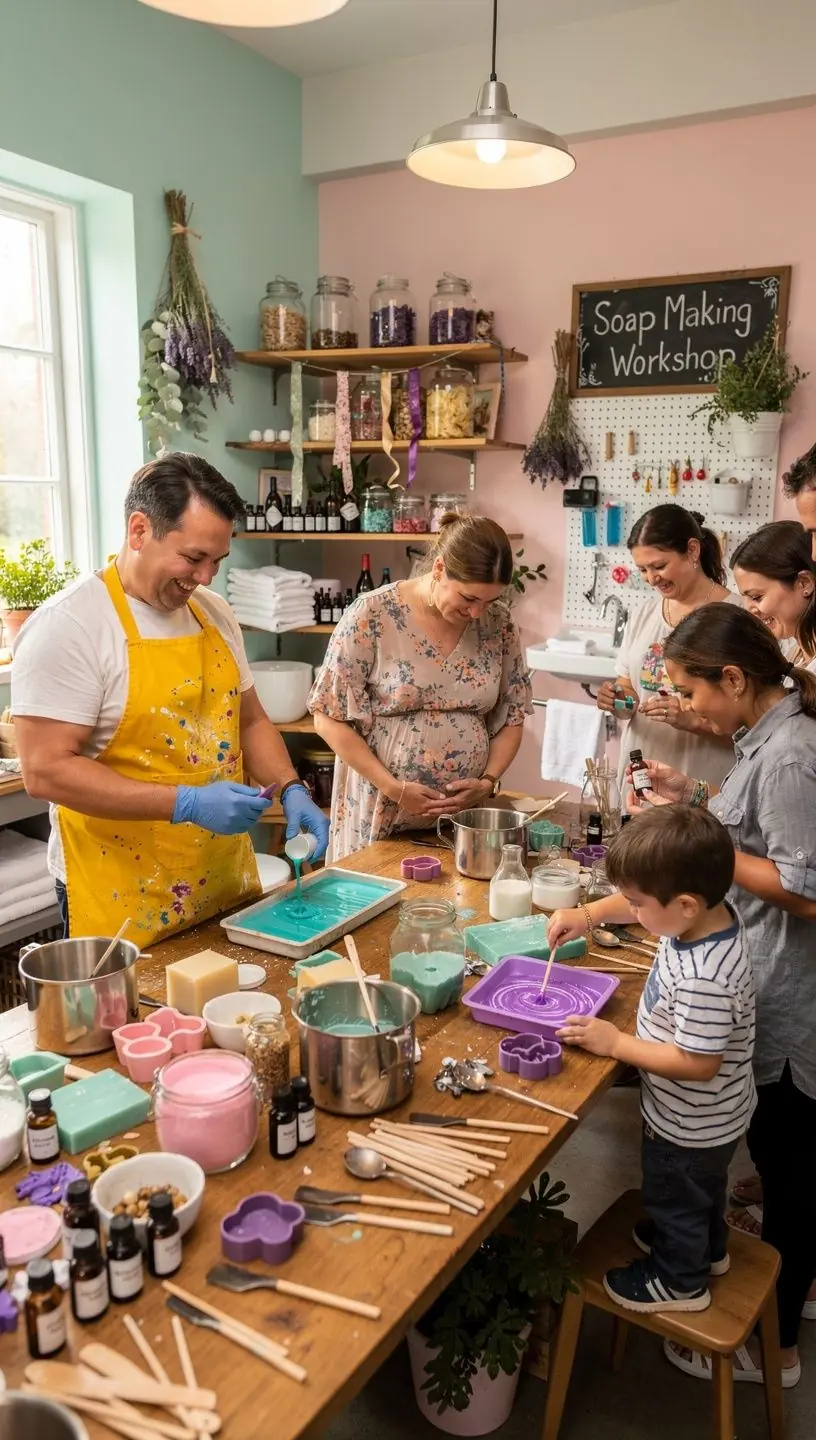
"Structured workflows not only improve efficiency but also reduce the likelihood of errors, which is crucial in handmade production."
Key Components of an Effective Workflow
Building an effective workflow typically involves several key components:
- Task Breakdown: Divide larger projects into smaller, manageable tasks. This can help prevent overwhelm and ensures each step is completed thoroughly. Many artisans find that a detailed task list guides their daily activities effectively.
- Time Allocation: Allocate specific time slots for each task. Research indicates that time blocking techniques can improve focus and efficiency by as much as 25%. Consider how much time you realistically need for each task and adjust your schedule accordingly.
- Quality Control: Implement checkpoints throughout the production process to review quality. Experts suggest that integrating quality control measures early can reduce rework and improve final output quality.
Practical Application for Hobbyists
To implement these components into your workflow, consider the following steps:
- Assess Your Current Process: Take time to evaluate how you currently produce your handmade items. Identify bottlenecks or repetitive tasks that could be streamlined.
- Research Tools and Techniques: Look into tools such as project management software or handmade production apps that can help you organize your workflow. Many users report that these tools significantly aid in keeping tasks organized and on track.
- Iterate and Adapt: As you begin to implement your new workflow, be prepared to make adjustments. This approach works best when you remain flexible and open to trying different methods until you find what suits your production style.
Acknowledging Limitations
While establishing effective workflows can lead to significant improvements, it is crucial to recognize the time and effort required for implementation. Typically, this process may take several weeks of fine-tuning and practice. Additionally, those new to handmade production may find that there is a learning curve involved in organizing and executing a structured workflow.
Conclusion
In conclusion, establishing effective workflows in handmade production is a valuable investment for hobbyists looking to enhance their craft. By breaking down tasks, allocating time wisely, and integrating quality control, artisans can improve their productivity and output quality. Remember, achieving an optimized workflow requires patience and a willingness to adapt methods based on personal preferences and capabilities. Implement these strategies and enjoy the process of refining your handmade production approach.
Learn More