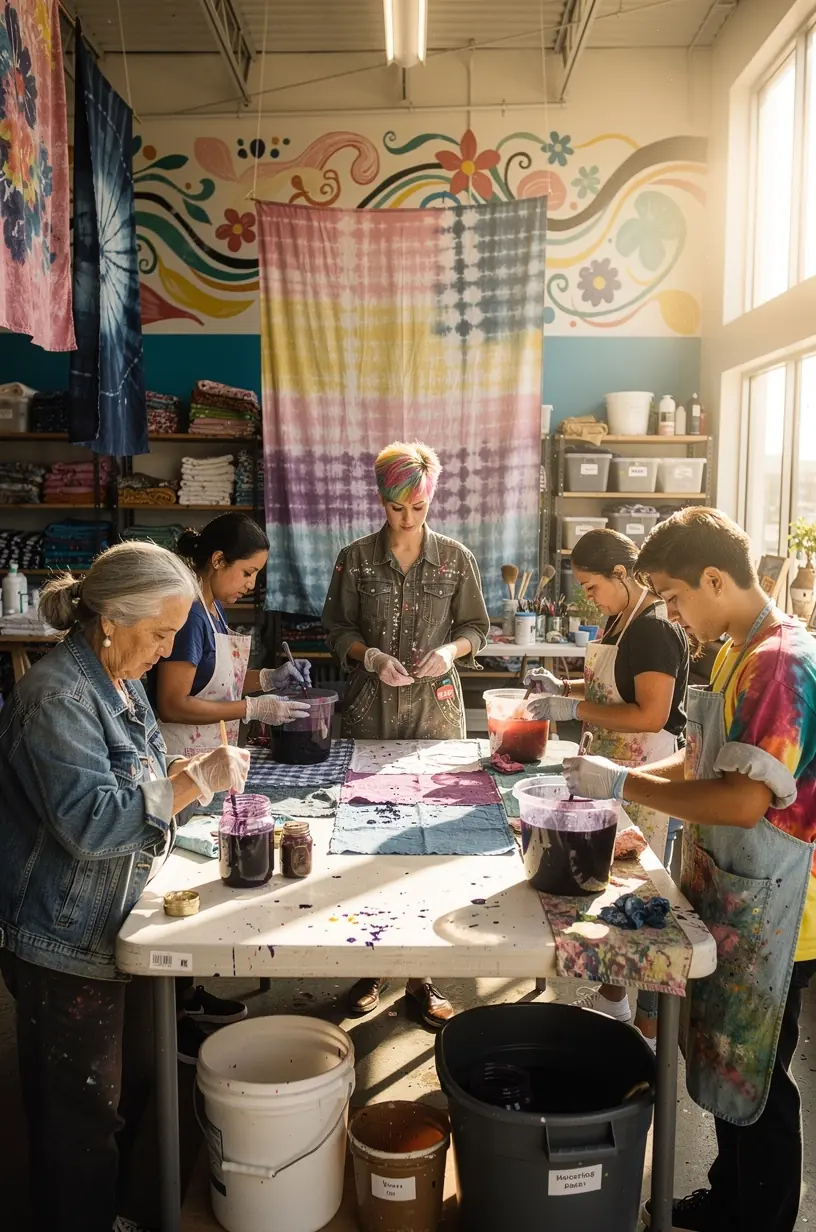
Exploring the Basics of Handmade Product Creation
The world of handmade products offers a unique blend of creativity and business potential. This article aims to explore the foundational principles of creating handmade products, providing practical insights for hobbyists looking to turn their passions into viable projects.
Understanding the Basics
Creating handmade products typically involves a series of steps that include design, material selection, and production techniques. According to industry standards, successful handmade product creation begins with research and concept development. This phase is crucial as it helps you identify your target audience and understand their preferences. Experts recommend starting with simple projects to build confidence and skills, which lays the groundwork for more complex creations.
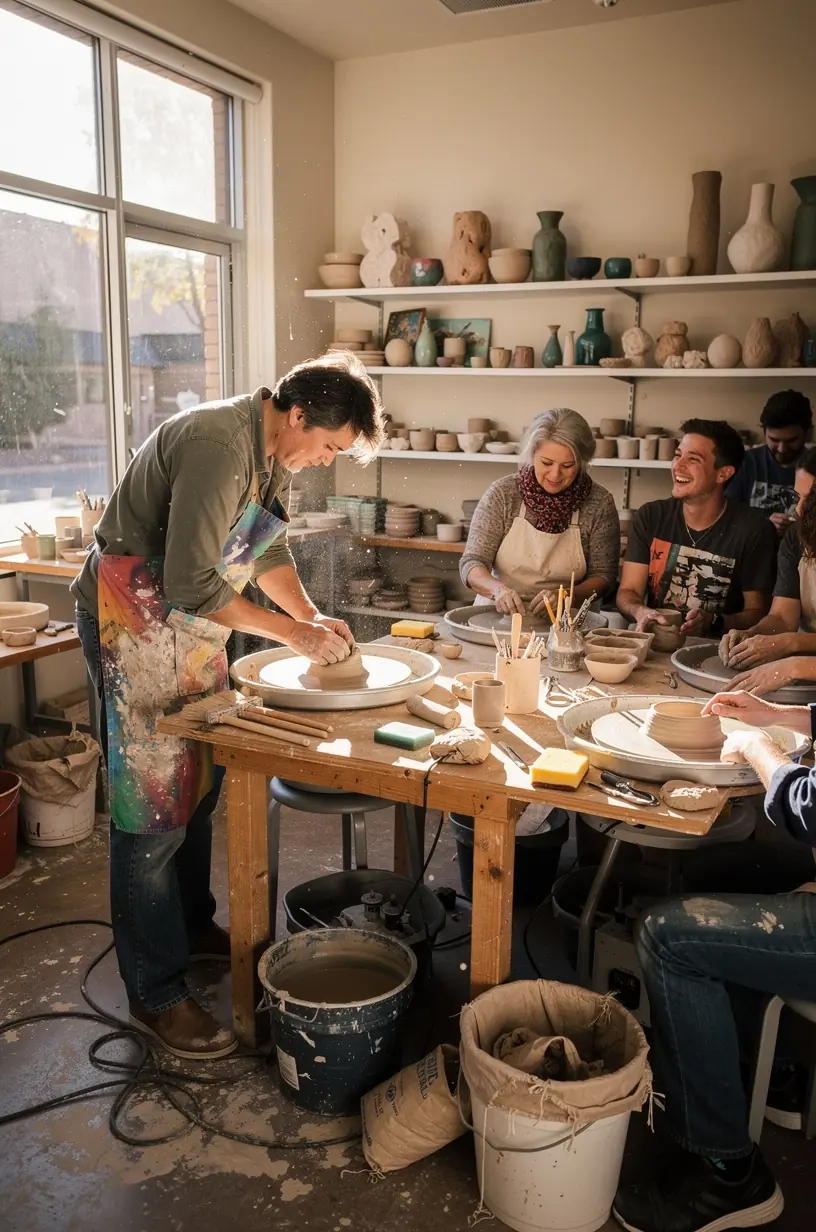
"Research shows that engaging with your target market can significantly enhance product relevance and customer satisfaction."
Materials and Tools
Selecting the right materials is a pivotal step in the handmade product creation process. Many users report that using high-quality materials not only enhances the final product but also improves the overall crafting experience. In most cases, your choice of materials should align with your design and the intended use of the product. For instance, if you're making eco-friendly items, consider sustainable materials like organic cotton or recycled paper.
Practical Application
- Start Small: Choose a manageable project that typically takes 2-4 weeks to complete. This allows you to learn and refine your techniques without feeling overwhelmed.
- Invest Time in Learning: Many hobbyists find that dedicating a few hours each week to practice helps them improve their skills. This gradual approach can lead to significant advancements over time.
- Seek Feedback: Sharing your creations with friends or local craft groups can provide valuable insights that help you refine your products. Engaging with a community can also motivate you to keep progressing.
Production Techniques and Best Practices
The methods you choose for production will vary based on the type of product and your desired scale. Standard practices suggest that understanding basic techniques, such as sewing, woodworking, or pottery, is essential. For those interested in scaling up their hobby into a small business, experts recommend exploring small-batch production methods, which can help maintain quality while meeting demand.
Additionally, many users find success by documenting their process through photos or tutorials, which can enhance their product's appeal in the market. Not only does this showcase your craftsmanship, but it also builds a connection with potential customers who appreciate the effort behind each item.
Conclusion
In conclusion, creating handmade products is an enriching journey that combines artistry with business acumen. By understanding the basics, selecting the right materials, and applying proven production techniques, hobbyists can successfully navigate this rewarding path. Remember that while the journey may involve challenges, consistent effort and a willingness to learn can lead to fulfilling outcomes.
Learn More