Developing Skills for Handmade Product Design
In the world of handmade products, skill development is crucial for hobbyists looking to turn their passion into a successful venture. This article will explore effective methods for honing your design skills, enhancing your craftsmanship, and preparing for small-scale production.
Understanding the Basics of Handmade Product Design
Handmade product design often involves a blend of creativity and technical skills. According to industry studies, a solid foundation in these areas can significantly impact the success of your products. Many experts recommend starting with the fundamentals, such as understanding materials, design principles, and the intended audience for your products.

"Skill development in handmade design contributes to greater creativity and innovation, leading to unique, marketable products."
Key Skills for Successful Handmade Design
There are several skills that aspiring handmade product designers should focus on:
- Material Knowledge: Understanding different materials and their properties can enhance your design process. Research indicates that this knowledge allows designers to choose the right materials for specific applications, improving product durability and aesthetics.
- Technical Skills: Mastery of tools and techniques is essential. This often involves a learning curve; for instance, many users report that practicing a technique consistently for several weeks can lead to noticeable improvement.
- Design Principles: Familiarity with principles such as balance, contrast, and harmony can help create visually appealing products. Experts suggest studying established designers and their techniques as a way to build a strong design foundation.
Hands-On Learning and Practice
Developing skills for handmade product design typically requires a combination of guided training and personal practice. Here are a few methods to consider:
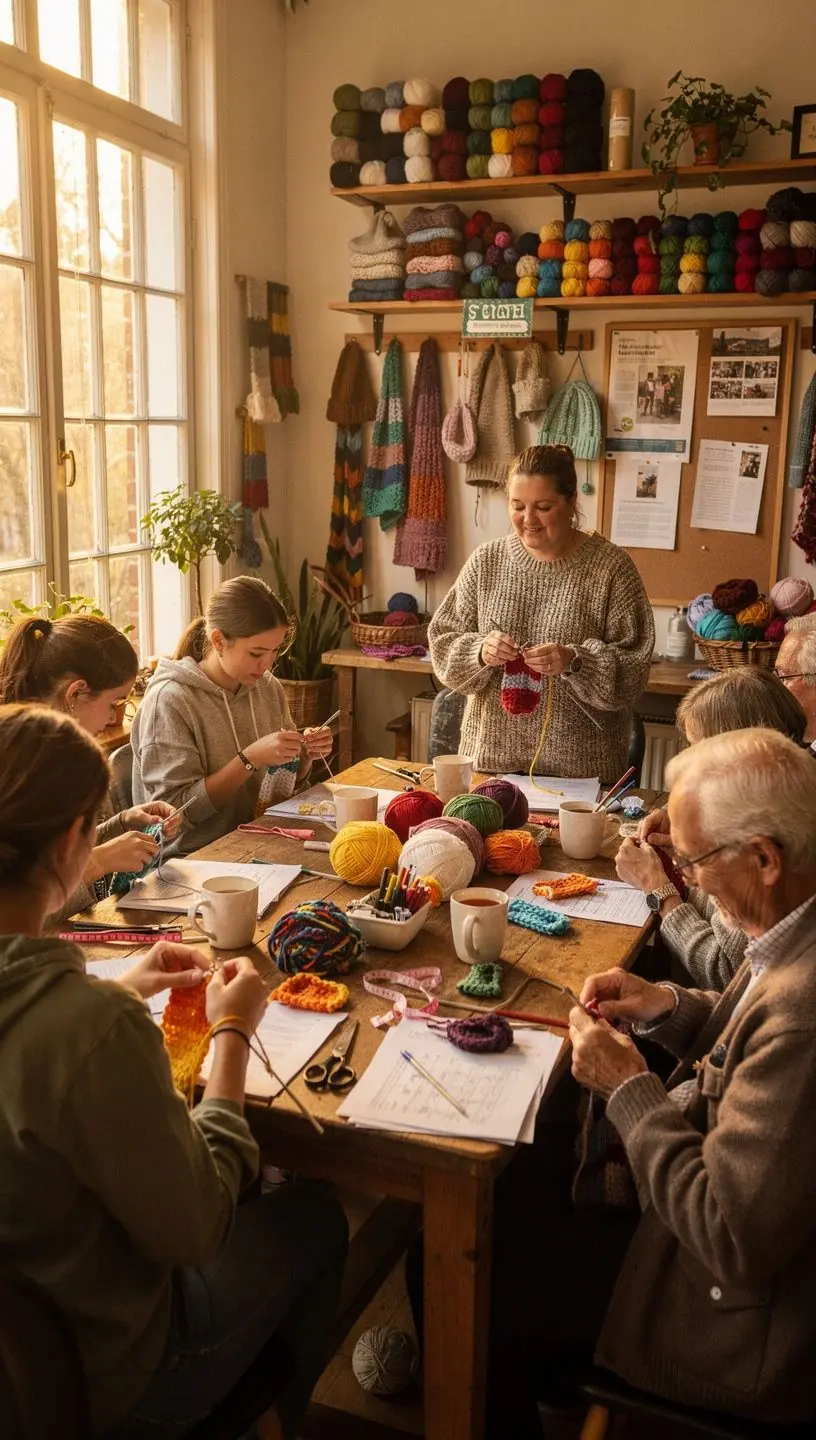
- Workshops and Classes: Participating in workshops can provide valuable hands-on experience. Many local studios offer classes that focus on specific skills, which are beneficial for beginners and can lead to networking opportunities.
- Online Tutorials: Numerous online platforms offer courses in various aspects of handmade design. While these resources can be helpful, it's crucial to choose reputable platforms that provide evidence-based instruction.
- Peer Feedback: Engaging with fellow hobbyists can provide insights and constructive criticism. Research shows that feedback from peers often leads to accelerated skill development.
Setting Realistic Expectations
As you embark on your journey to develop your handmade product design skills, it’s essential to set realistic expectations. Typically, achieving proficiency in a new technique can take anywhere from a few weeks to several months, depending on the complexity of the skill and the time you dedicate to practice. Remember that mastery also requires patience and persistence.
Conclusion
Developing skills for handmade product design is a fulfilling endeavor that can significantly enhance your creative output. By investing time in learning the basics, practicing consistently, and seeking feedback, you can create unique products that resonate with your audience. While the journey may involve challenges, the skills you cultivate will serve as a foundation for your success in the handmade market.
Learn More